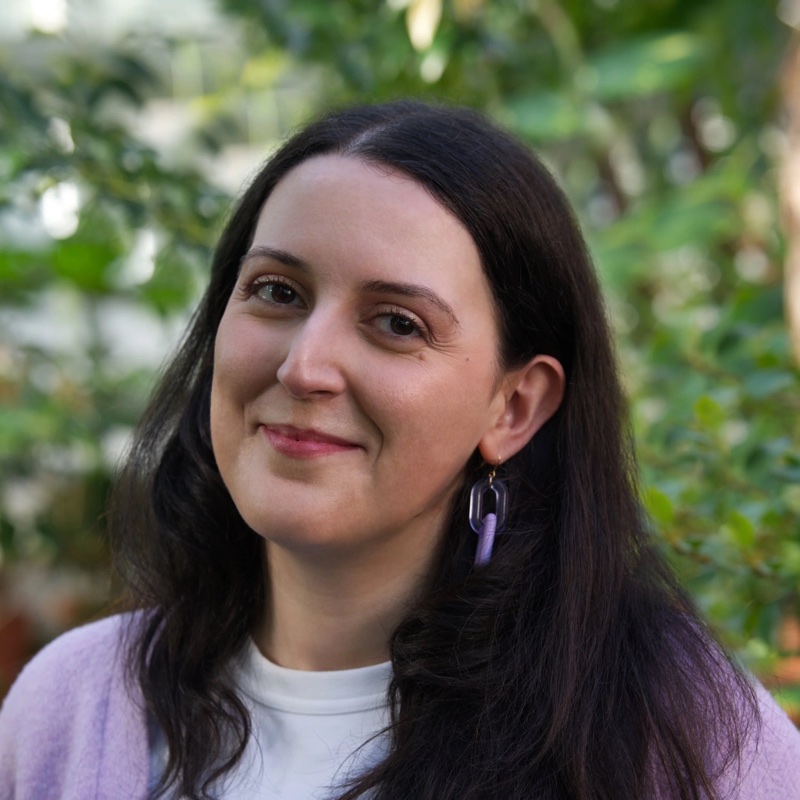
Global Media Professor and Expert on Media Industries, Platforms, and Creator Culture
PhD in Communication, UMass Amherst, 2025
I study the media industries: who owns them, what technologies they run on, and how they are governed, by states and by platforms alike. The creator economy is my main site of analysis, and I work comparatively across Turkey, Israel, and the United States.
I am an Assistant Teaching Professor of Communication Studies at Northeastern University, and Affiliated Faculty at its Center for Transformative Media. My PhD in Communication is from the University of Massachusetts Amherst, finished in 2025. The year before that I was at MIT as a Visiting Scholar and Dissertation Fellow, appointed jointly in Women’s and Gender Studies and in Comparative Media Studies/Writing. I am also a Research Scholar at the Mills Institute and a Fellow at the Mercatus Center, George Mason University.
Three questions organize my work. How do creator economies come to be governed? What is artificial intelligence doing to media production? And how does gender shape who becomes visible online, and at what cost? All three come back to the machinery of governance: the laws, market pressures, platform architectures, and cultural expectations that decide which media get made, funded, and seen. Most of my evidence comes from fieldwork: long interviews, digital ethnography, and close reading of how the industry describes itself.
Current book project
My book in progress, Synthetic Selves: Gendered Labor and the Future of Work in the Influencer Industry, asks what happens to creative labor once brands can manufacture their own influencers. In Turkey I watched advertisers withdraw from feminist and queer creators for being too political, while continuing to fund lifestyle content. Generative tools now offer those advertisers something more appealing: a spokesperson who cannot say anything unwelcome. I call the result synthetic femininity, womanhood rebuilt as a brand-safe asset that a company can own outright.
The book grew out of my dissertation, which drew on forty interviews and extended observation among creators in Turkey. Those making feminist, queer, and leftist work there face pressure from two directions at once: algorithms that bury them, and a state that punishes them. I trace how they stay both legible and employable anyway, through strategies that include careful management of when to be seen, and a practiced blandness I describe as banal positivity.